Escalation, outflows, and a few surprises on both ends of the market. This week reminded everyone how fast the mood can shift. Here’s what happened:
quick weekly news
Bitcoin trims losses after core CPI comes in at 0.2% in May
U.S. inflation data landed largely in line on Wednesday, with one notable bright spot: core CPI rose just 0.2% month-over-month in May, below the 0.3% forecast and down from April’s 0.4%. Year-over-year headline CPI came in at 4.2%, matching expectations. The softer core reading gave markets a brief moment of relief.
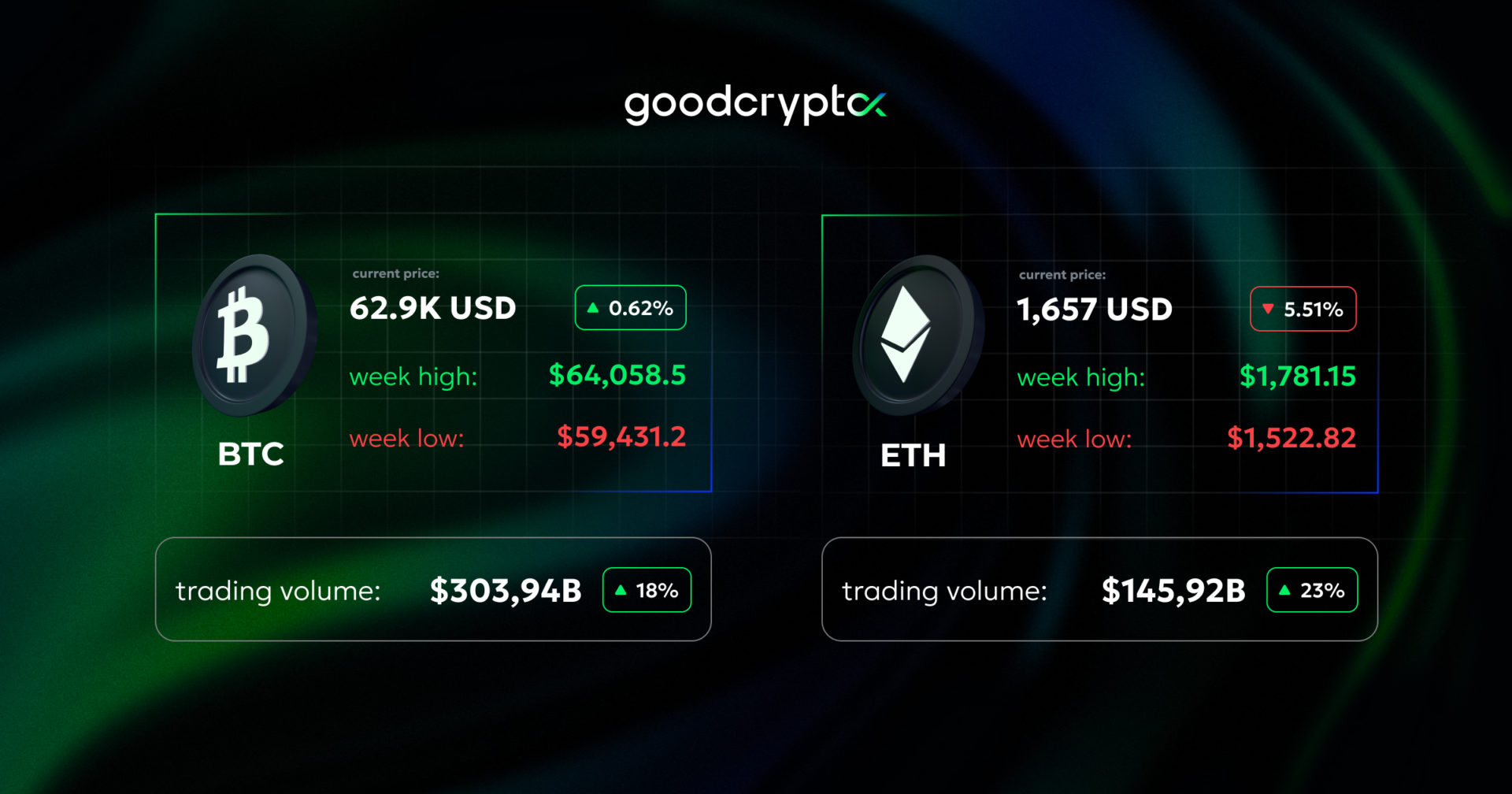
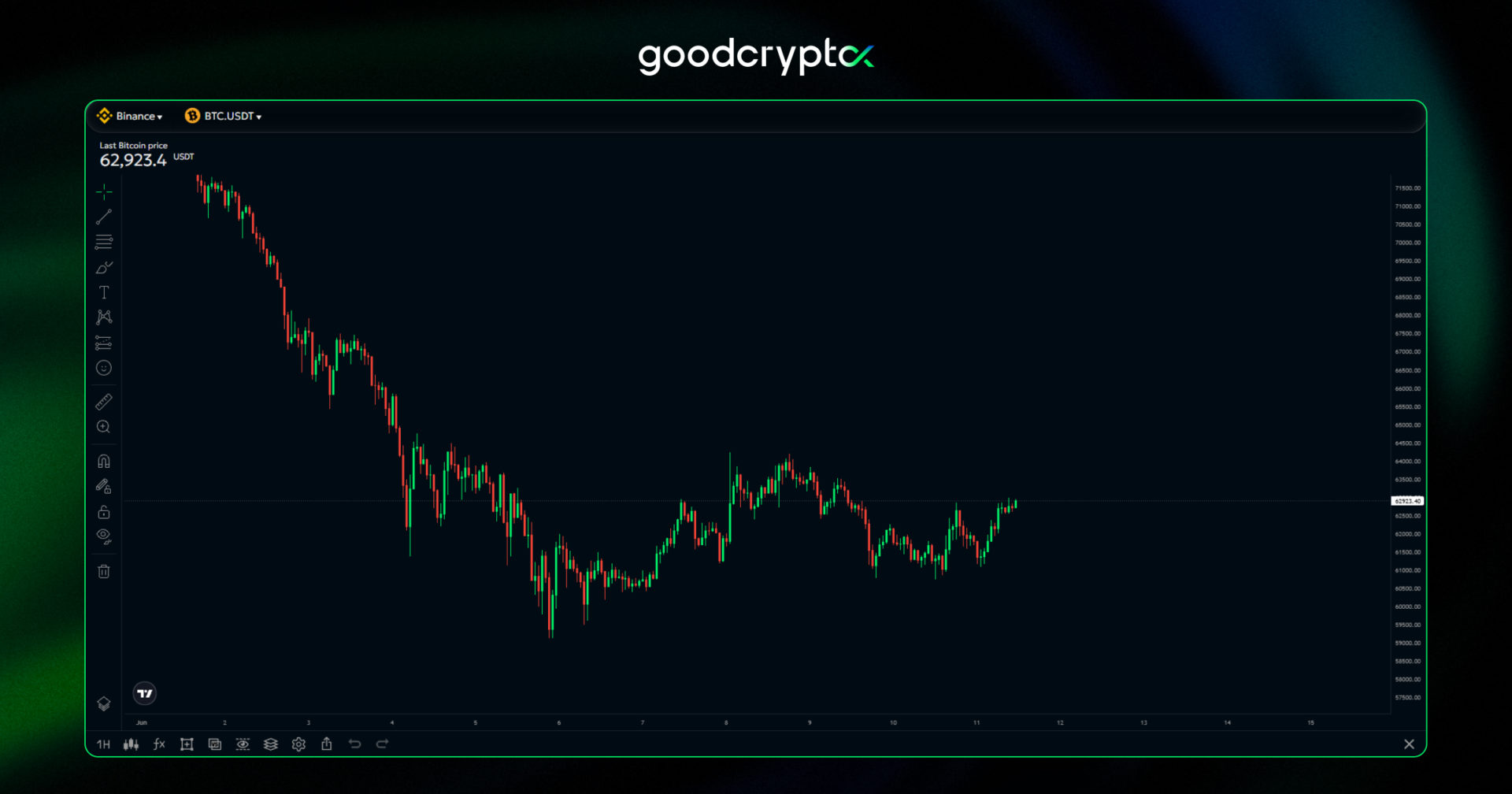
Bitcoin ticked up slightly after the print but stayed under pressure, trading slightly below $63,000, almost flat over 24 hours. Stock futures were down across the board, the 10-year Treasury yield climbed to 4.5%, and WTI crude slipped another 1% to $88.Source: goodcryptoX
The Fed is widely expected to hold rates at 3.50%-3.75% at its June 17 meeting, and markets were pricing in a 98% probability of a hold ahead of the data. But the case for a rate hike later this year is building.
Meanwhile, the U.S. added 172,000 jobs in May, nearly double expectations, while unemployment held steady at 4.3%. Softer inflation buys some breathing room, but a strong labor market keeps the pressure on it.
Zcash drops 58% after Shielded Labs reveals a major bug that went undetected for four years
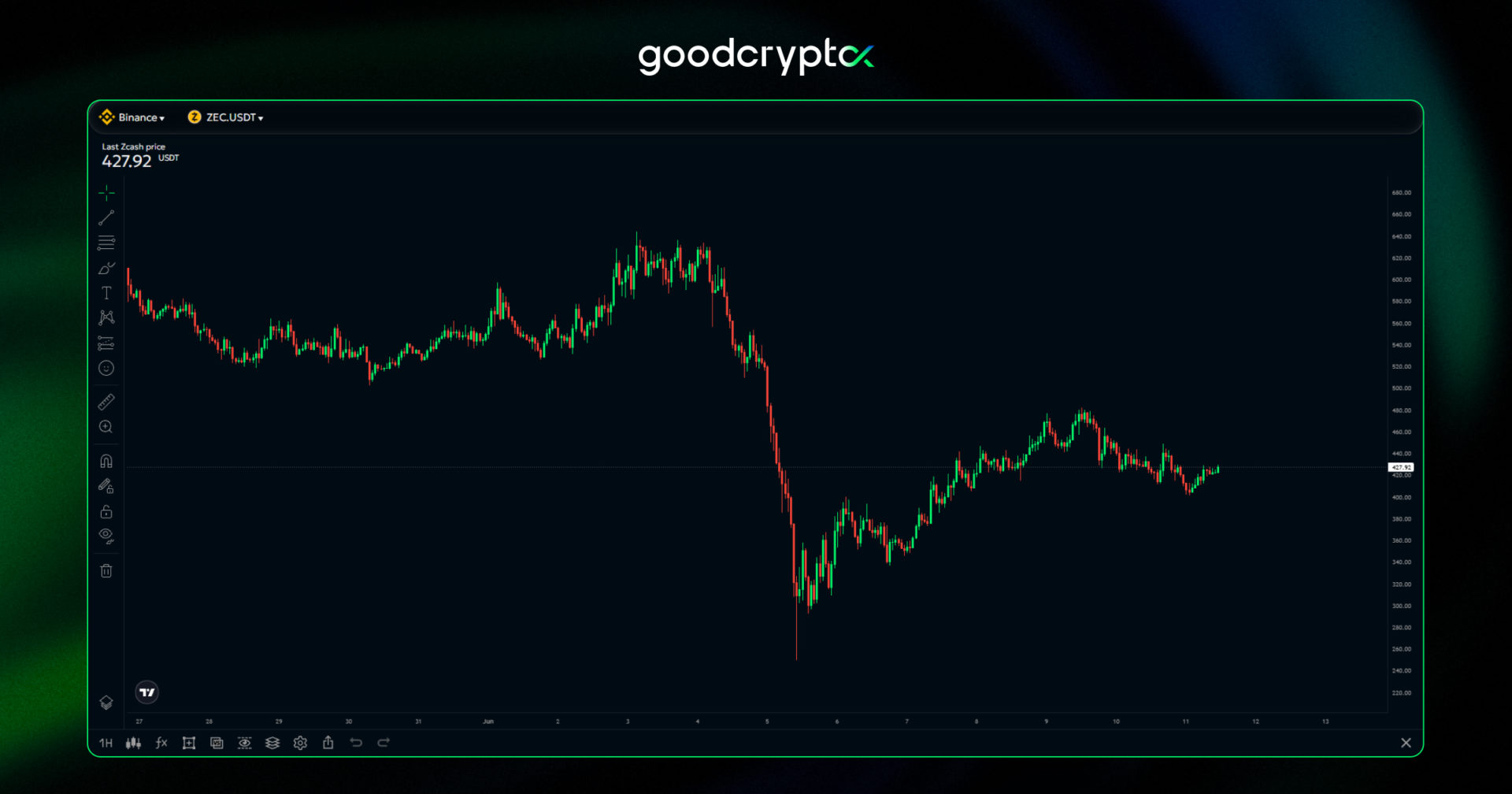
ZEC fell as low as $251 on Friday after Shielded Labs disclosed a critical vulnerability in Zcash’s Orchard privacy pool that could have allowed an attacker to mint unlimited counterfeit ZEC tokens, completely undetected.Source: goodcryptoX
The bug was discovered on May 29 by Taylor Hornby, a security engineer brought in by Shielded Labs specifically to hunt for protocol vulnerabilities. Working with Anthropic’s Opus 4.8 model, Hornby conducted a targeted review of the Orchard circuit, the cryptographic system underpinning Zcash’s most advanced privacy pool.
He simulated an exploit that, when tested locally, successfully generated unlimited undetectable counterfeit ZEC. The vulnerability was disclosed to the Zcash Open Development Lab immediately, and an emergency fix was deployed by June 1.
Reportedly, the main problem for markets isn’t just the bug itself, it’s how long it was there. Orchard was activated in May 2022, meaning the vulnerability sat undetected for four years through multiple rounds of scrutiny by experienced cryptographers. Shielded Labs also acknowledged it cannot definitively rule out exploitation before the fix, given that the privacy properties of the Orchard pool make on-chain verification impossible. It’s worth understanding what the actual risk was. Orchard operates as a separate private pool – users deposit ZEC, receive private notes, and later withdraw back to the public network. The bug wouldn’t necessarily have caused uncontrolled inflation across the entire network, since Zcash has an accounting mechanism preventing more public ZEC from being withdrawn than was deposited. The real risk was potential insolvency of Orchard itself, where counterfeit claims could have competed with users’ real funds.
“We believe it is important to be transparent about that uncertainty,” the firm said, while adding that exploitation was unlikely given how difficult the bug was to find and how quickly it was patched once discovered.
To allow independent verification of ZEC’s supply integrity, Shielded Labs proposed a network upgrade involving a new shielded pool and turnstile accounting on all Orchard coins. The firm is also accelerating security efforts, continuing work with Hornby, pursuing a formal mathematical proof of the Orchard circuit, and hiring a Head of Security and a Cryptographer.
SpaceX’s IPO is four times oversubscribed
SpaceX set its IPO price at $135 per share, valuing the company at around $1.8T, and Reuters reported the deal has drawn more than $250B in investor interest for a $75B raise, making it several times oversubscribed heading into this week’s listing.
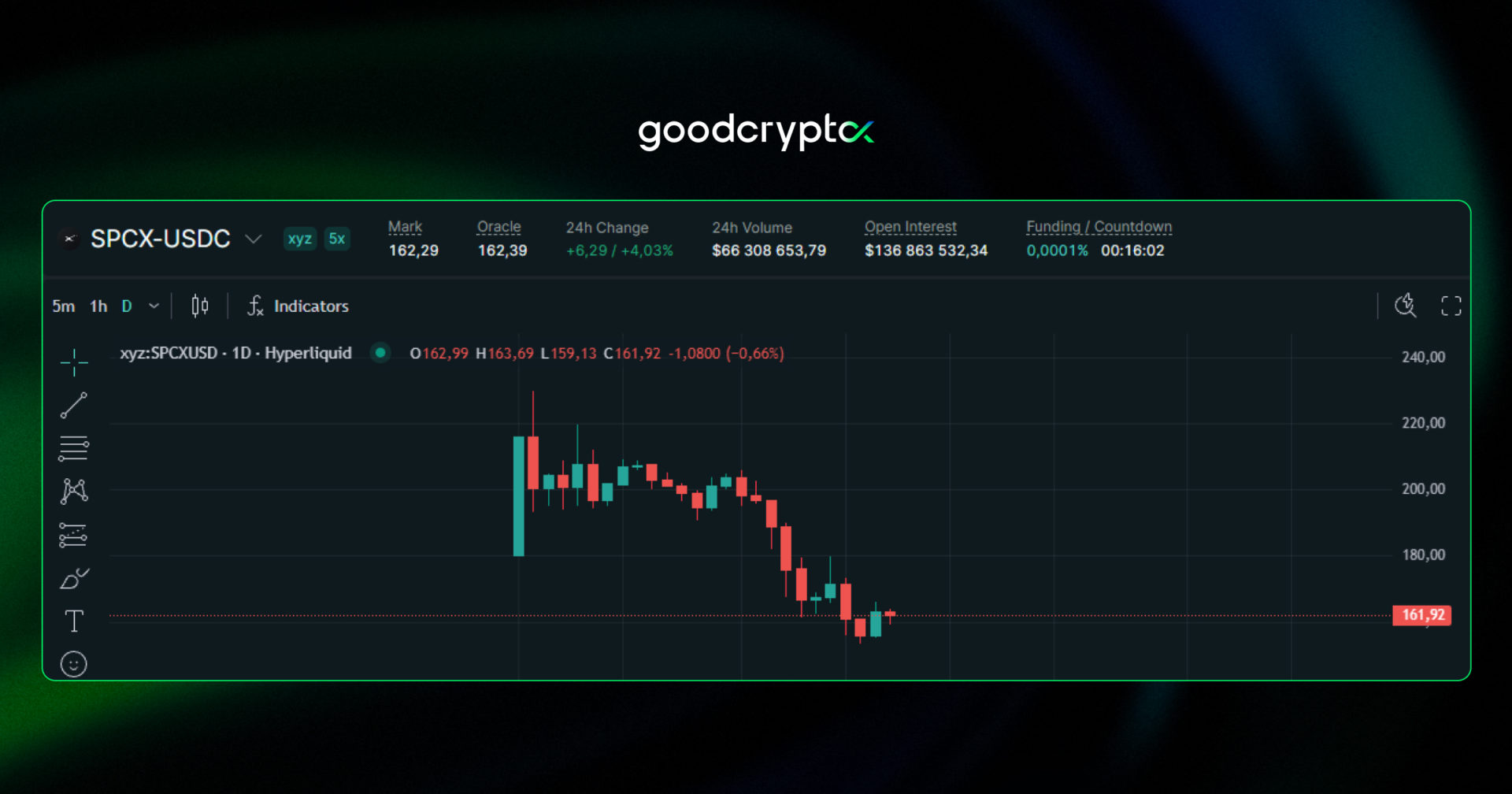
But on Hyperliquid, where a synthetic pre-IPO perpetual futures contract on SpaceX has been trading since mid-May, the picture is more nuanced. The SPCX contract, a 5x-leverage cash-settled derivative, traded near $157 on Wednesday, down about 27% from its launch price of around $216 and well off its high of $230. It still implies a premium to the $135 IPO price, but that premium has compressed hard. In May, the contract priced SpaceX roughly 60% above the offer. By Wednesday, that gap had narrowed to around 16%.Source: Hyperliquid
SPCX doesn’t give holders shares or any claim on SpaceX, it’s purely a bet on where the stock will trade. Unlike a standard indication of interest, traders have real money at risk and can lose it before the first share changes hands, making it one of the more honest price signals available ahead of the listing.
SpaceX took a fixed-price approach for the IPO rather than the typical bookbuild, meaning investors either take $135 or walk away. The SPCX compression may partly reflect broader market weakness, crypto has softened into the IPO window, and some investors may be raising cash to fund SpaceX allocations, adding pressure to the same risk markets where the contract trades.
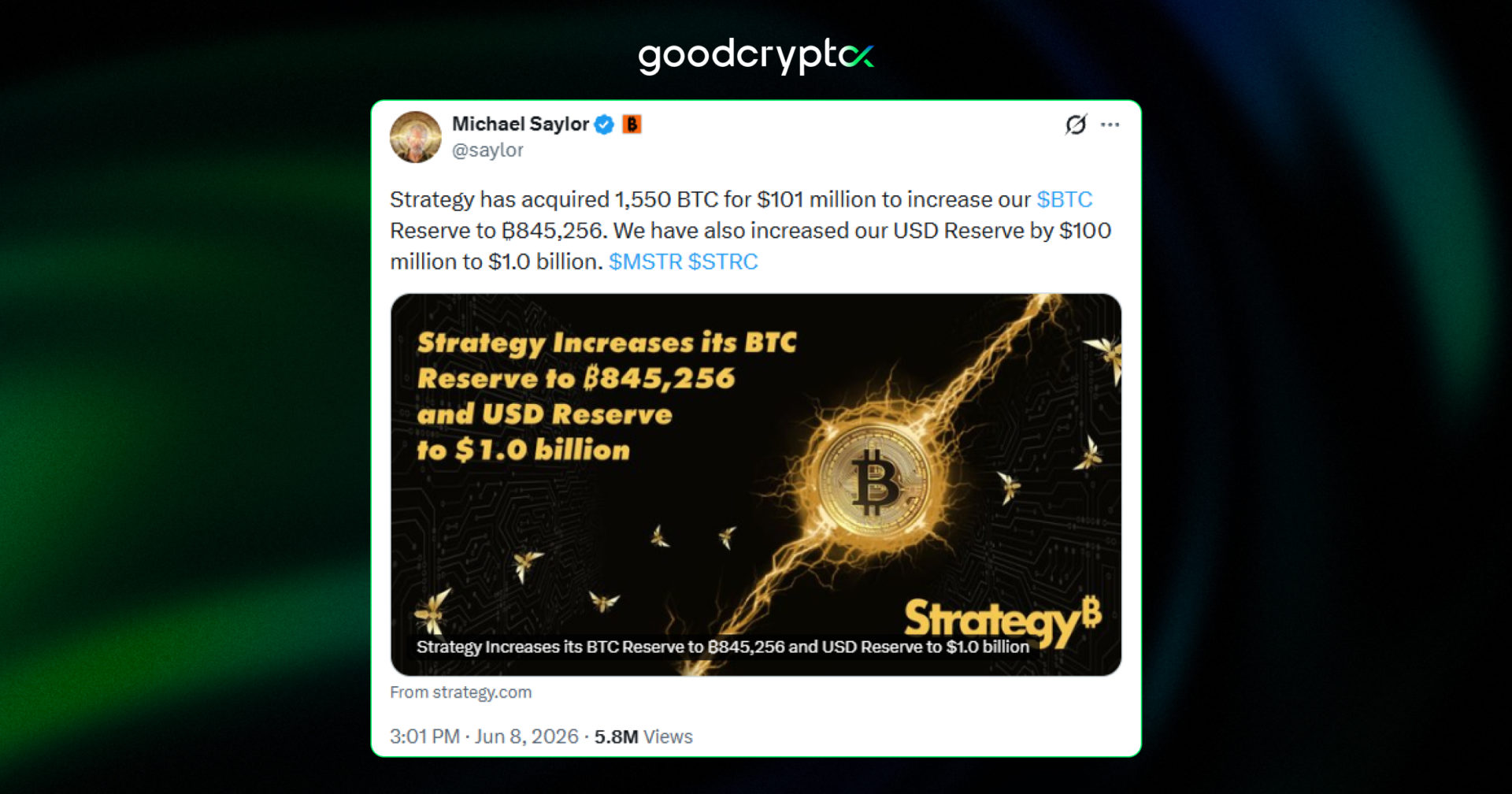
Strategy buys 1,550 Bitcoin one week after selling $2.5 million worth
Strategy is back buying. The company acquired 1,550 BTC for roughly $101M at an average price of $65,332, below its overall cost basis of $75,680, bringing total holdings to 845,256 BTC purchased for just under $64B, per a Monday announcement from Michael Saylor.Source: X
The buy comes one week after Strategy’s first Bitcoin sale in four years, when it sold32 BTC for $2.5M to fund dividend payments on its STRC preferred stock. Bitcoin dropped around 15% in the days that followed, briefly touching below $60,000 before bouncing back above $62,000. The latest purchase effectively restarts the accumulation playbook at a lower average entry.
To fund the BTC buy and a $100M increase in U.S. dollar reserves, that brings total cash to $1B, Strategy issued $181M in common in the days between the sale and this latest purchase.
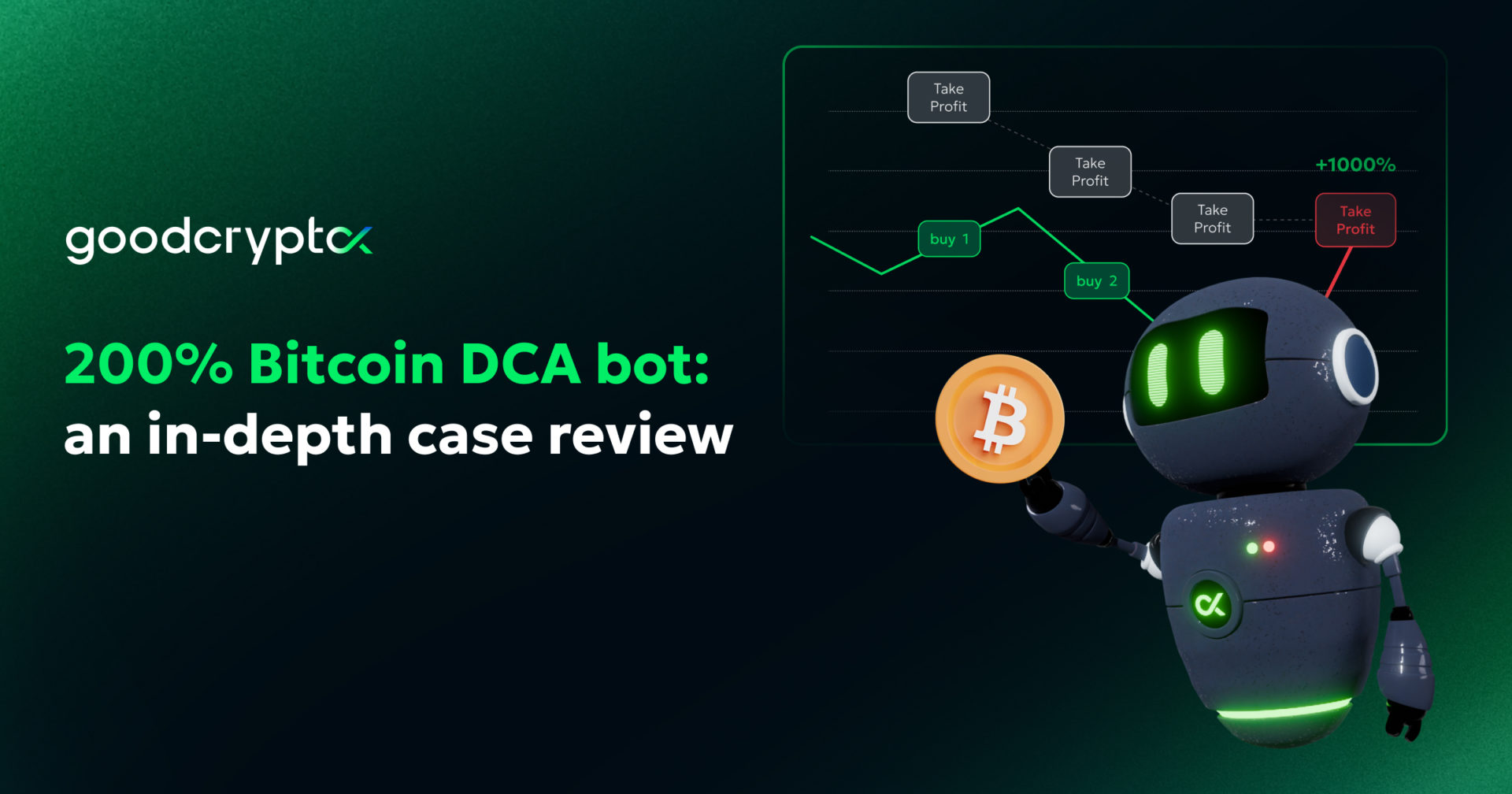
200% ROI in 5 months — a real BTC DCA bot case study
Not a backtest. Not a simulation. A real DCA bot case from our co-founder Maks, that turned a $25 starting balance into nearly $74 in five months, 200% ROI, or 470% APY annualized.
Here’s what the full breakdown covers:
The exact bot settings used: pair, leverage, entry size, averaging orders, TP and SL, etc.;
The settings idea: Why Maks chose exactly those settings;
Tips for bot performance: What could be improved in this bot, and tips that might be useful for your DCA setups.
Want to see how it works and set up your own? Check out the full case study 👇
We hope this digest was valuable and informative for you! If you want to be the first to receive new crypto insights and stay up-to-date with the market, follow us on Twitter or Telegram. Become a better trader with the goodcryptoX app!
This was supposed to be a very different update: a chance to mark one year since the launch of the GOOD token and more than seven years since goodcryptoX fir...







 get the app. start trading smarter" fetchpriority="low">