A whipsaw market, a surprise rally, and two exchange shutdowns in the same week. Here’s what you need to know:
quick weekly news
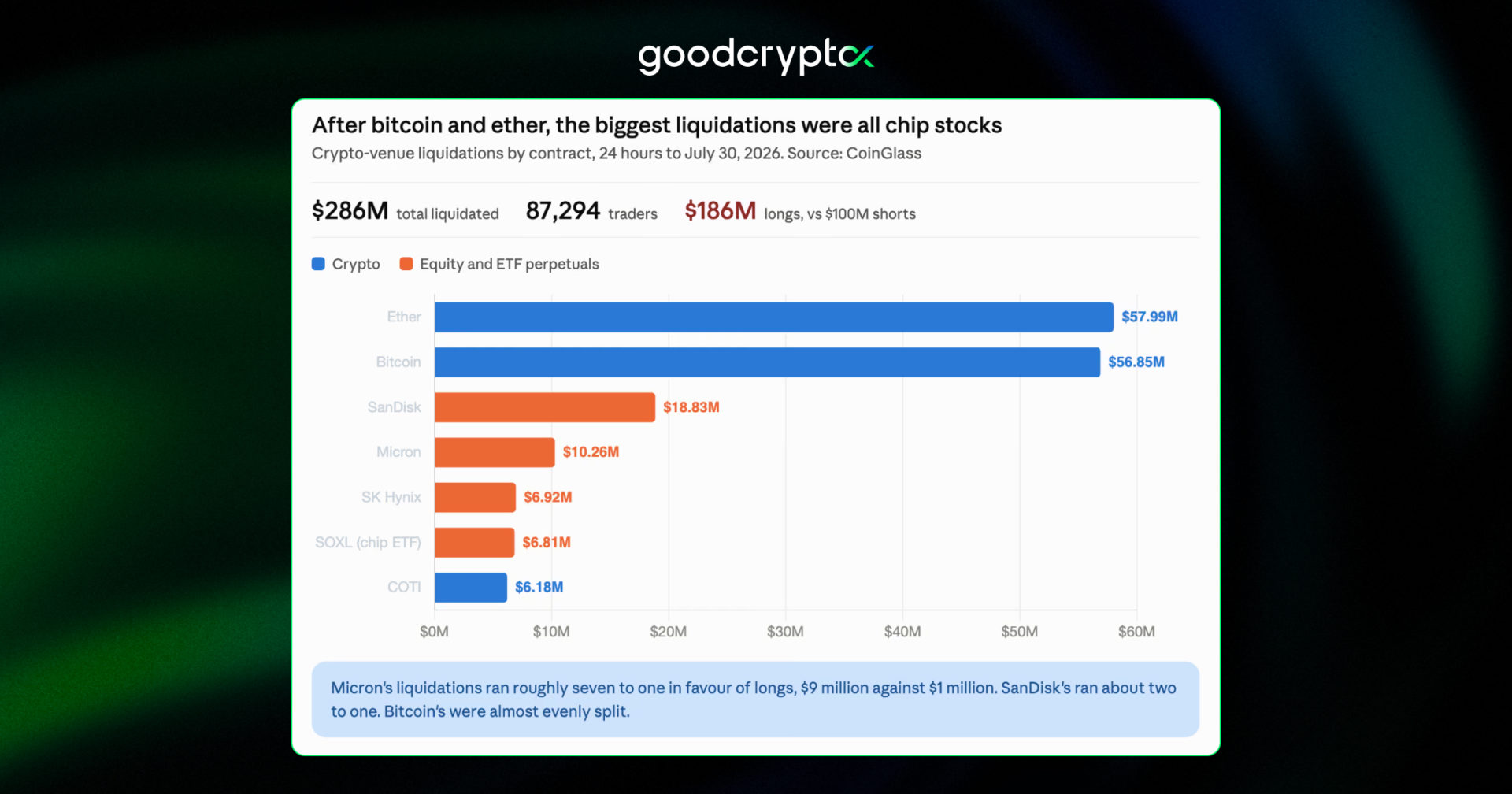
Leveraged traders lose $286M as Bitcoin and Ether whipsaw in both directions
Bitcoin and Ether ended the 24-hour window roughly where they started, but the path there was anything but calm. Around $286M in positions were liquidated across 87,294 traders, with $186M coming from longs and $100M from shorts, the signature of a market that moved hard in both directions before settling back.
Bitcoin swung just 2% between its low and high, which was enough to clear both sides. Roughly $57M in BTC positions were wiped out, split almost evenly between longs and shorts. ETH saw the largest single-asset total at $58M, with a tilt toward longs, as prices ranged between $1,850 and $1,920. The bulk of the damage, $188M, happened around Wednesday’s Fed rate decision, with longs alone accounting for $130M of that.
The more unusual story was in equity perpetuals on crypto exchanges. About $19M in SanDisk positions were liquidated, along with $10M in Micron, $7M in SK Hynix, and $7M in SOXL. Almost all of it was long, traders using crypto rails to bet on the AI memory trade heading into the sharpest chip selloff of the year. SK Hynix fell 17% on Wednesday after reporting profit up 557% but still missing expectations. Korea’s Kospi has now dropped more than 40% from its June peak.Source: CoinDesk
Fed holds rates steady as markets wait for Warsh’s policy roadmap
The Federal Reserve held rates unchanged at 3.50%-3.75% on Wednesday, extending its pause for a sixth consecutive meeting. Three committee members dissented, preferring a 25-basis-point hike. Nine voted to hold.
The policy statement flagged that inflation “remains elevated relative to the Committee’s 2 percent goal, in part reflecting supply shocks,” while noting that economic activity is expanding at a solid pace, job gains are keeping up with the workforce, and productivity and capital investment remain strong.
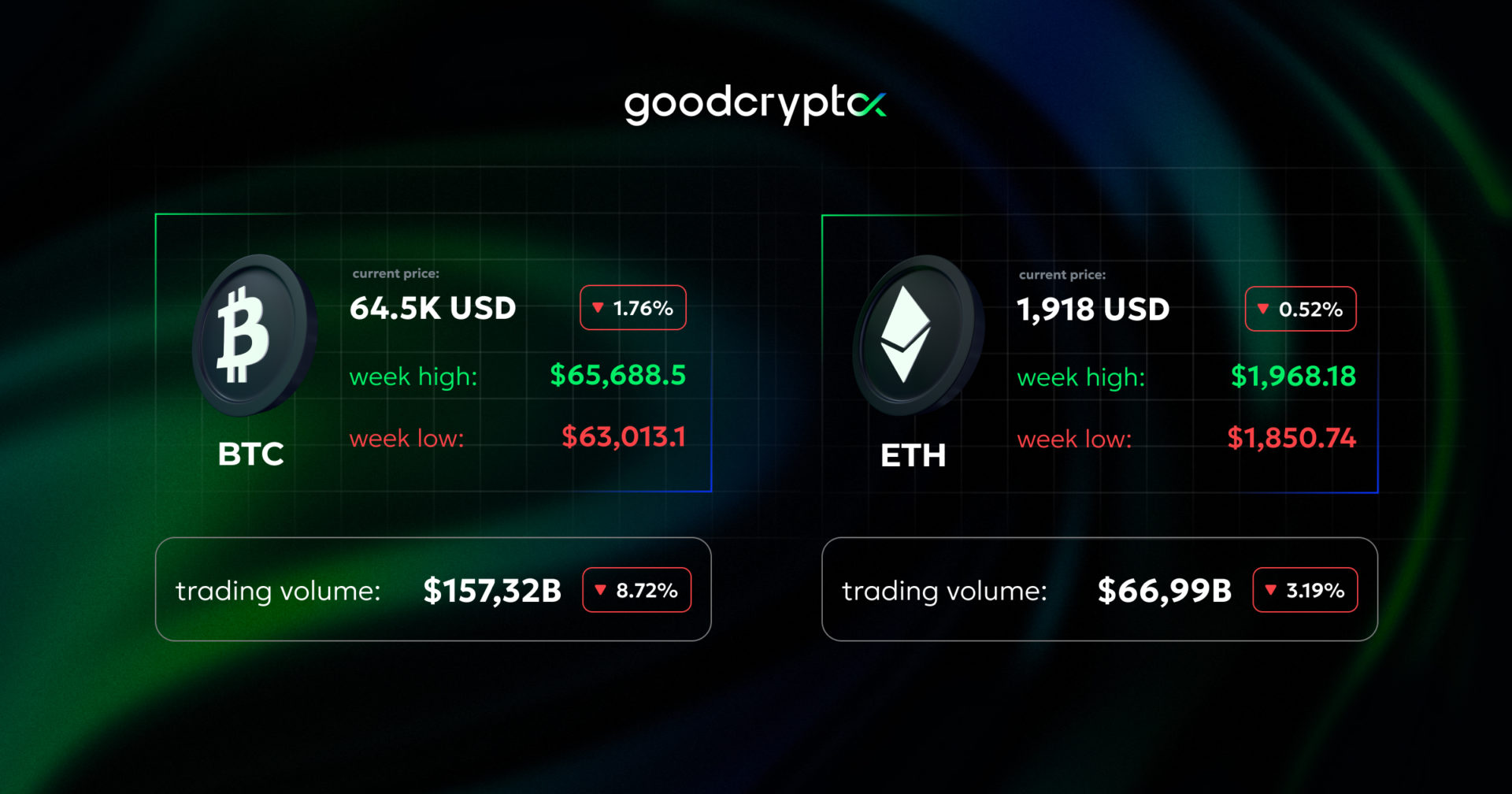
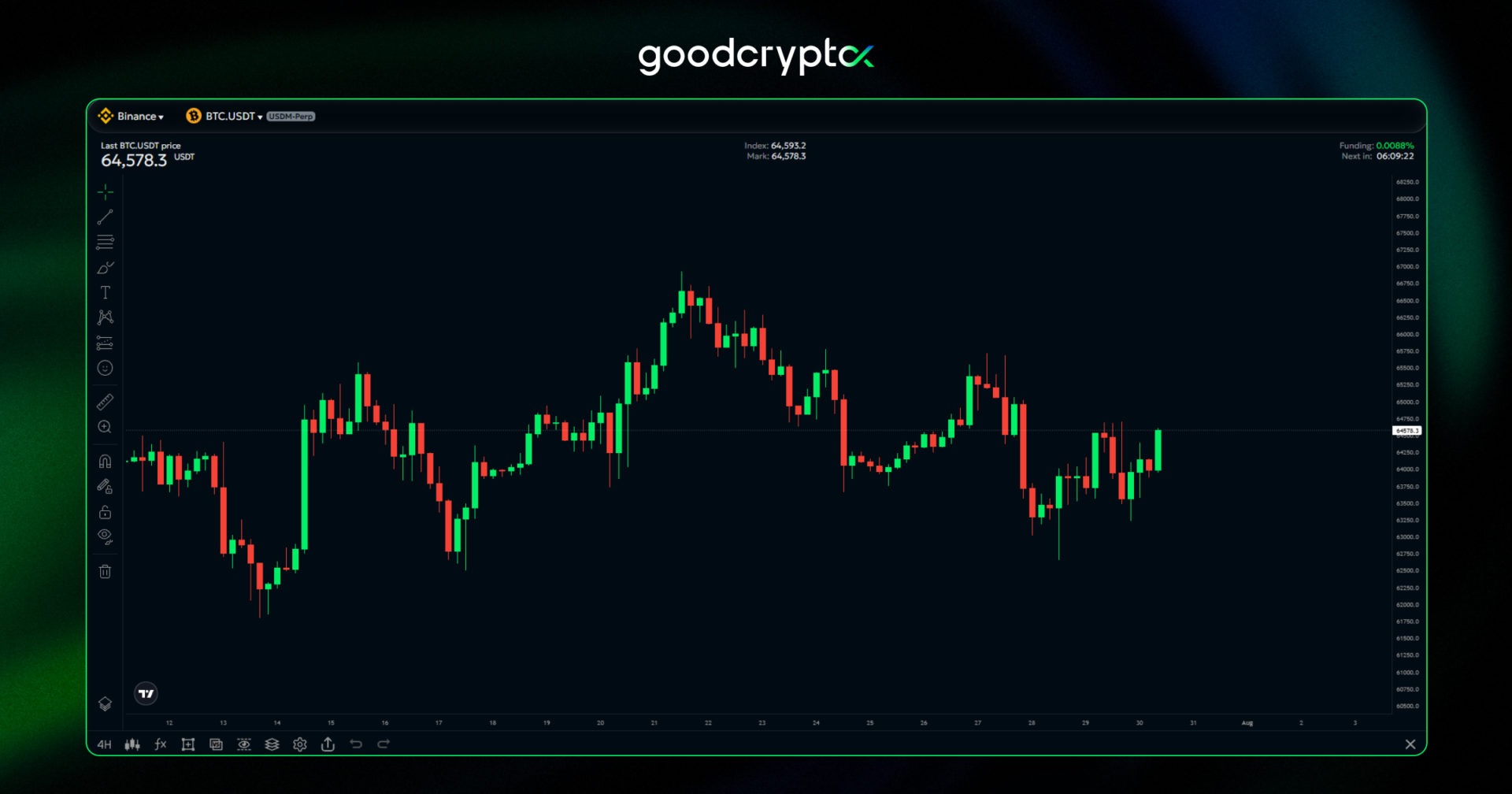
Bitcoin climbed above $64,400 following the decision, up over 1% on the day. The S&P 500 and Nasdaq bounced, trimming earlier declines. Gold rose 1.2%.Source: goodcryptoX
The decision came against an unusually uncertain backdrop; futures markets had priced roughly a 65% chance of a hold and 35% odds of a hike ahead of the announcement. Warsh has been openly critical of the Fed’s traditional use of forward guidance and the quarterly dot plot, and investors are watching closely for any signs that the central bank’s communication approach is shifting under his leadership.
South Korean traders fuel a mystery 36% rally in Shiba Inu
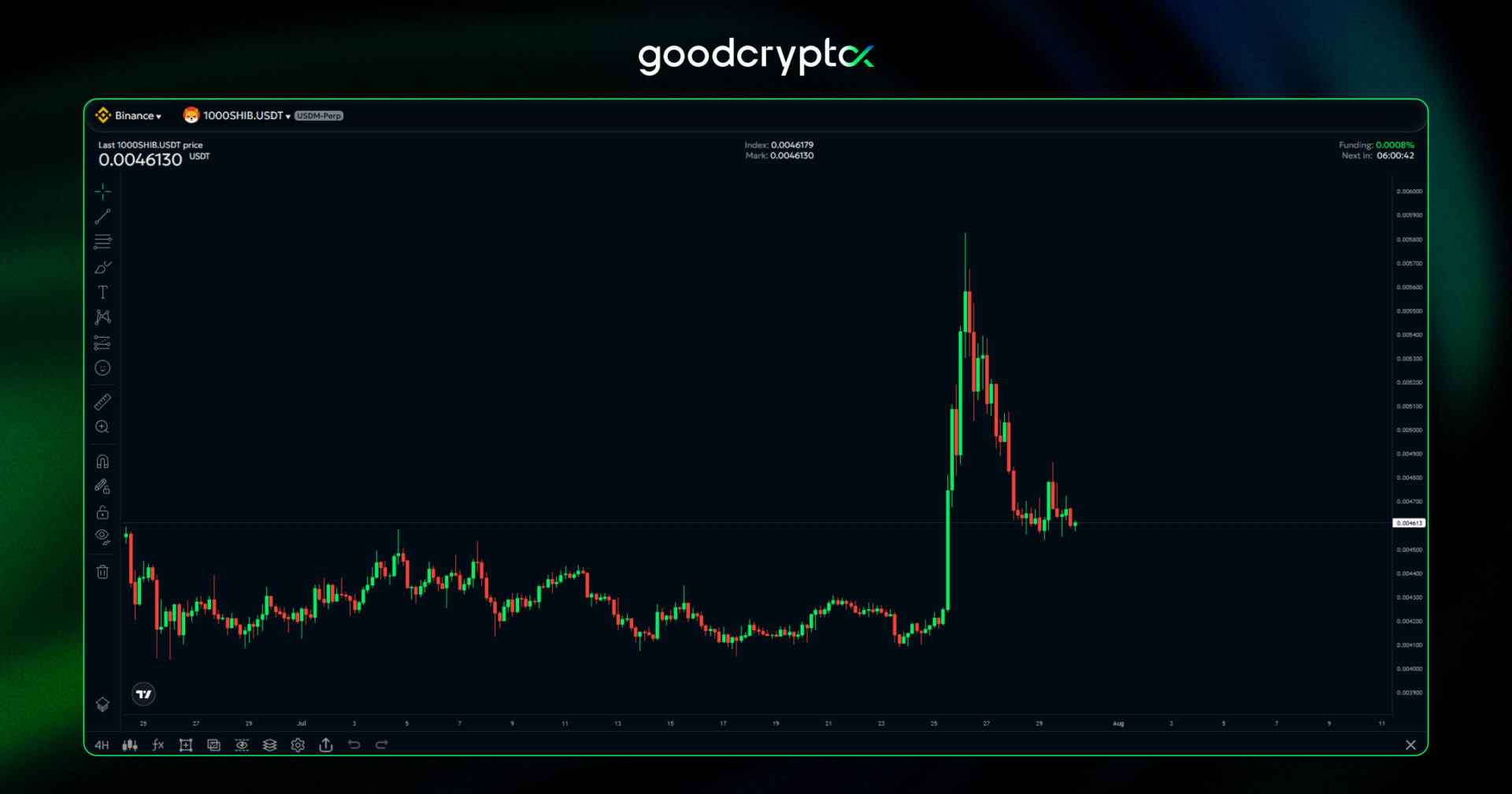
Shiba Inu jumped 36% on Sunday, adding roughly $1B to its market cap in a single day, with no announcement, no product update, and nothing from Shibarium to explain it.Source: goodcryptoX
The token reached a market cap near $3.4B on about $380M in daily volume, its highest turnover ranking in months. The move looked specific to SHIB rather than a broader memecoin rotation; Dogecoin gained 6% over the same stretch, and smaller-cap dog tokens moved no more than 10%.
South Korean buying stands out as the likely driver. Upbit’s SHIB/KRW pair was the single largest market at around $62M, over a tenth of global volume, and it printed a slight premium to Binance and other dollar venues. The pattern fits: a first push late Saturday, nine flat hours, then a second leg through the Asian morning. South Korean traders have a well-established track record of driving sharp rallies in high-volatility tokens.
Short sellers paid for the move. Around $6M in SHIB positions were liquidated across roughly 2,300 traders, about $5M of that from shorts. The liquidations followed the price higher rather than caused it; at that size, they can’t account for a move this large.
Shiba Inu launched in August 2020 as an anonymous Ethereum token pitched openly as a “Dogecoin killer.” It has since built out Shibarium and a broader ecosystem, but SHIB remains well below its 2021 high and trades primarily on retail sentiment rather than anything the protocol produces.
BitMart shuts down after nine years, BMX crashes 58%
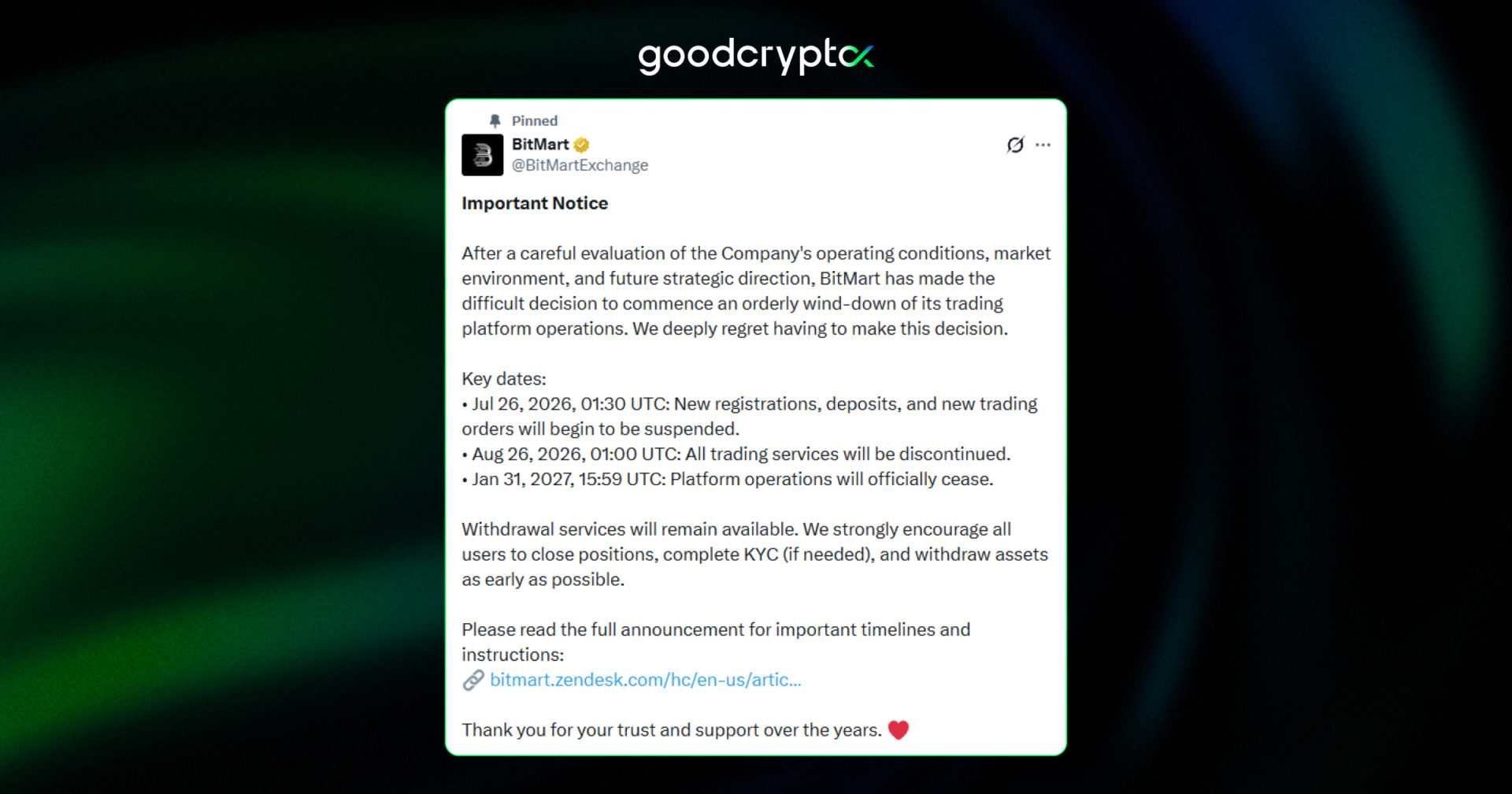
BitMart has become the second crypto exchange to announce closure this week, following BitMEX’s shutdown announcement just days earlier. The platform stopped accepting new registrations, deposits, and trading orders from Sunday, with all trading, spot and derivatives, ending August 26 and formal operations ceasing January 31, 2027.
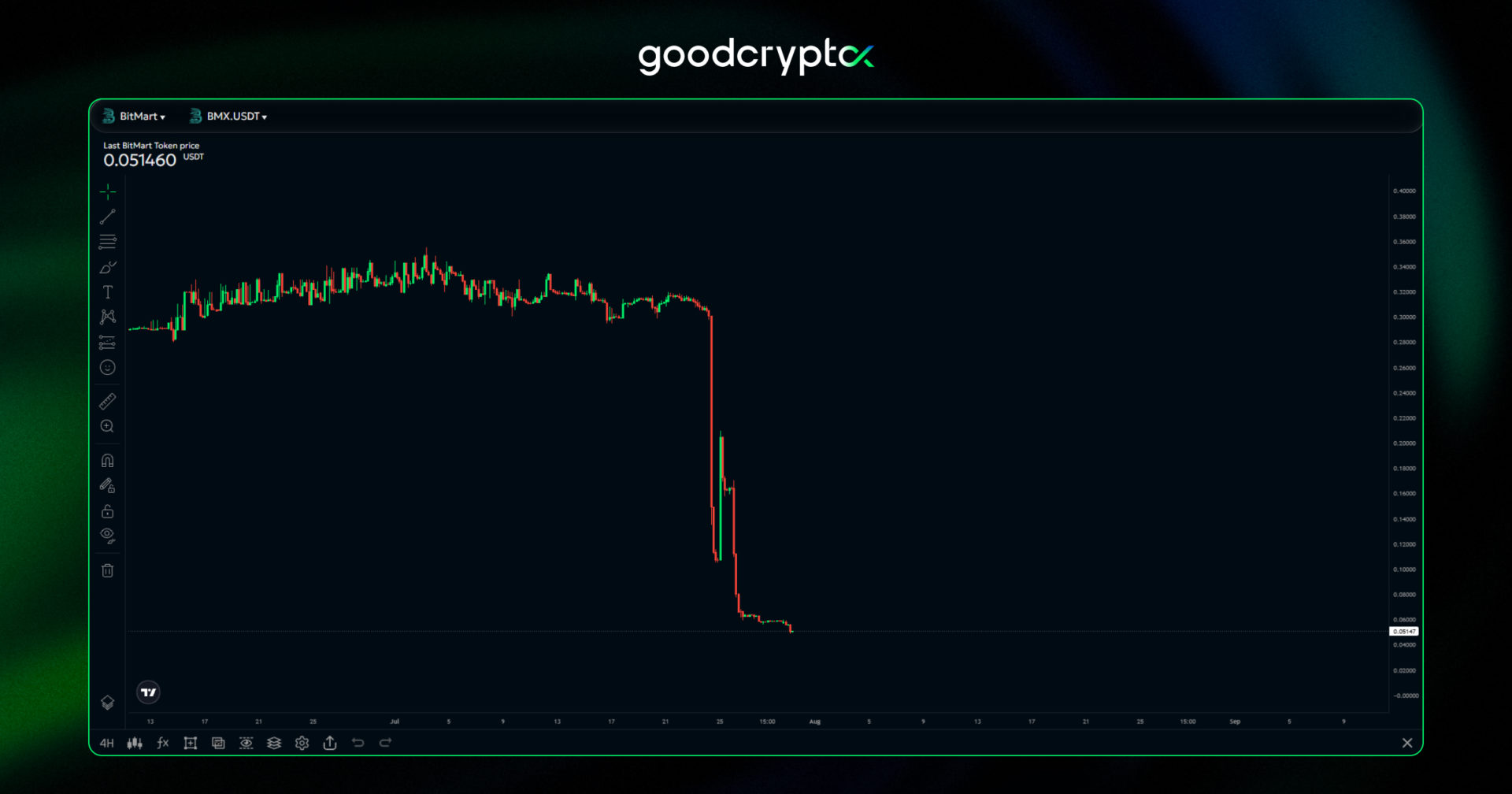
BMX, the platform’s exchange token, fell to around 8 cents, down 58% over 24 hours, cutting its market value to roughly $27M. The token was already down about 70% over the past year, so Sunday’s drop extended a long decline rather than started one.Source: goodcryptoX,
The company cited “operating conditions, market environment, and future strategic direction” without elaborating on which actually drove the decision. The timing is puzzling; BitMart reported $1.6B in 24-hour volume, up 51% from the previous period. That jump more likely reflects users rushing to unwind positions than fresh demand, but it raises questions about why a platform still clearing that kind of flow is closing.
Source: X
Withdrawals stay open, though the process carries friction. BitMart warned requests may face identity verification, device and IP checks, address screening, source-of-funds questions, and sanctions checks, with processing potentially delayed if volumes spike. The exchange previously lost$196M to a hot-wallet breach in December 2021 and covered customer losses at the time.
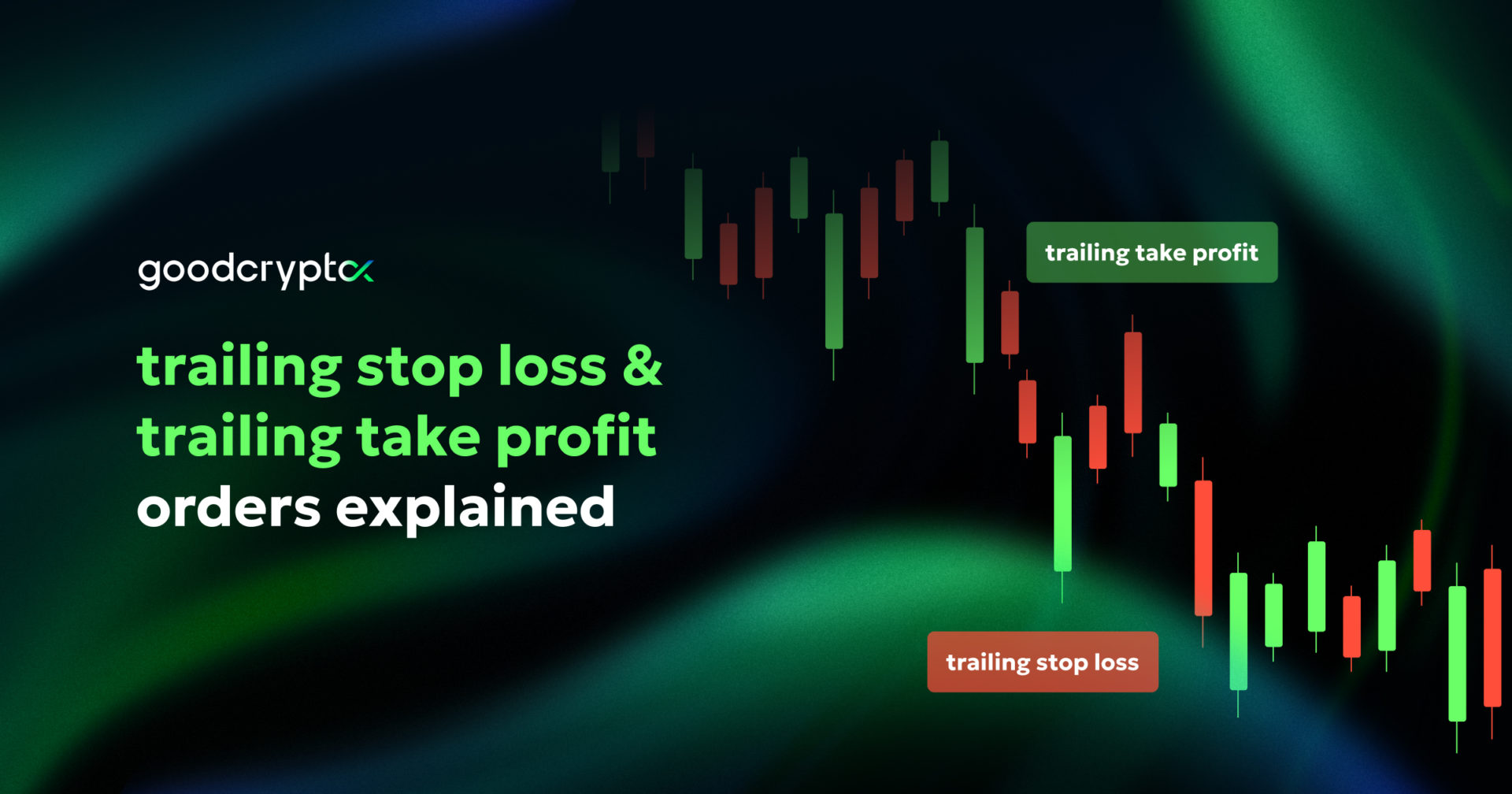
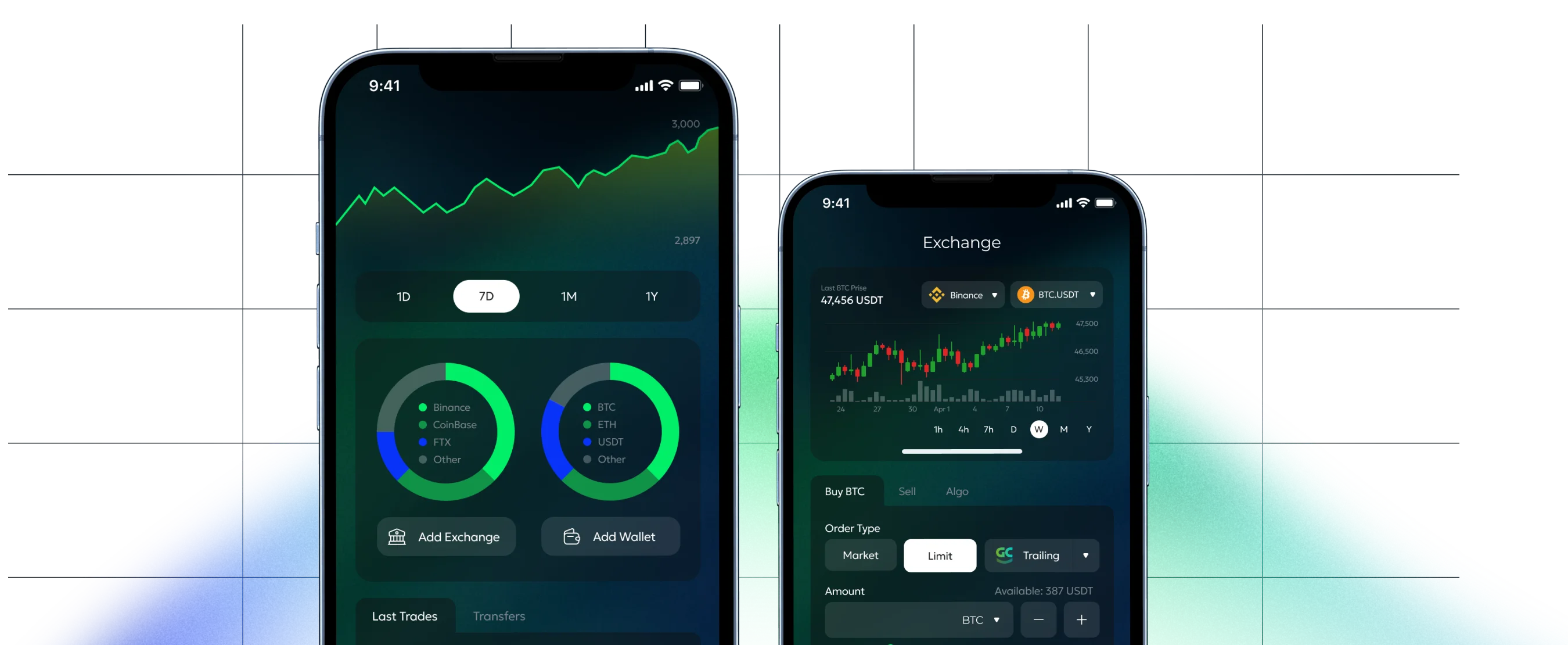
Trailing Stop Loss and Trailing Take Profit – the smarter way to exit a trade
Most traders know how to enter a position. Fewer know how to exit one without leaving money on the table or taking an unnecessary loss. Trailing Stop Loss and Trailing Take Profit orders are built to solve exactly that.
Instead of a fixed exit level, they follow the price as it moves in your favor, locking in more profit the further it runs, and stepping in automatically the moment the trend reverses. Here’s what the full guide covers:
Trailing Stop Loss explained: how it follows the market upward, adjusts your stop automatically, and protects gains without capping your upside;
Trailing Take Profit explained: how it activates once you’re in profit, trails the price, and closes your position at the best possible moment;
Running both simultaneously: how to combine them for a fully dynamic exit strategy that adapts to whatever the market does next.
Want to see how they work in practice? The full breakdown is right here 👇
We hope this digest was valuable and informative for you! If you want to be the first to receive new crypto insights and stay up-to-date with the market, follow us on Twitter or Telegram. Become a better trader with the goodcryptoX app!
This was supposed to be a very different update: a chance to mark one year since the launch of the GOOD token and more than seven years since goodcryptoX fir...